Cinema Is Losing Its Pauses — And the Stories Are Paying the Price
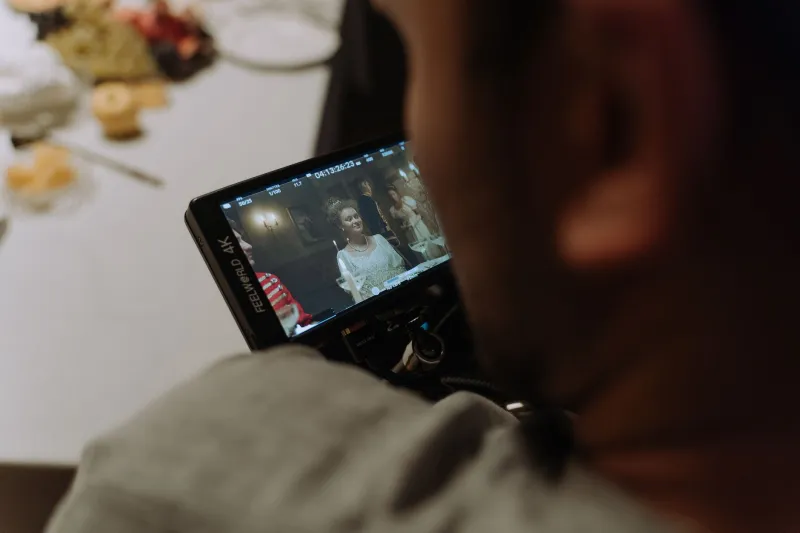
Watch a movie from the late '70s or early '80s and you'll notice something almost immediately: it breathes. Scenes linger. Characters sit in silence. A conversation ends, and the camera stays on a face for a beat longer than feels strictly necessary. That extra moment — that pause — isn't wasted time. It's doing something.
Now watch something released in the last two years. Count how long individual scenes run before a cut. Notice how quickly dialogue moves. Pay attention to whether the film ever actually slows down.
The difference is stark, and it's not accidental.
The Scene Is Shrinking
Filmmakers and editors working in today's landscape are under a specific kind of pressure that their predecessors simply didn't face. It's not just that audiences have shorter attention spans — though that's part of it — it's that audiences now have an exit option that's one thumb-swipe away at all times. A film that loses someone's attention doesn't just lose that moment. It loses the viewer.
The response from the industry has been to compress. Scene construction has shifted noticeably over the past decade, with individual sequences getting trimmed at both ends. The slow approach to a conversation — the establishing walk, the ambient moment before dialogue kicks in — gets cut. The quiet beat after a revelation lands, where a character just exists in what they've just heard, gets cut. The camera move that used to let you feel the geography of a space before the action starts? Gone.
What's left is often efficient, propulsive, and oddly airless.
What 'Dead Space' Was Actually Doing
Here's the thing about those moments that are disappearing: they were never really dead. The term "dead space" in filmmaking refers to the gaps between active narrative beats — the transitions, the silences, the breathing room between plot points. But calling it dead fundamentally misunderstands its function.
Those spaces were where character lived. When a film gave you ten seconds of an actor walking to a window and looking out before responding to what they'd just been told, that wasn't padding. That was information. You were watching a person process something. You were being trusted to read a face, interpret a posture, feel the weight of a moment without being told how to feel about it.
Strip that out and you get scenes that move fast but land lighter. The emotional math doesn't add up the same way. You're being informed of what a character feels rather than being allowed to feel it alongside them.
The New Visual Language
To be fair, something genuinely new is being built in its place. The compressed, high-velocity scene construction that's emerging from platform-era filmmaking isn't just a degraded version of what came before. It's developing its own grammar.
Filmmakers like the Russo brothers, Ari Aster (in a different way), and a wave of genre directors working in streaming originals are building sequences that communicate enormous amounts of information in very short windows. The editing rhythms are tighter, the visual shorthand more refined, and there's a kind of kinetic efficiency that can be genuinely exciting when it's working well.
The question isn't whether this new language is bad. It's what it's optimized for — and what it can't do.
Fast cutting and compressed scenes are excellent for momentum, tension, and surface-level emotional clarity. They're less suited for ambiguity, slow-burn character development, and the kind of emotional complexity that requires an audience to sit in uncertainty for a while. The films that have historically moved people most deeply tend to be ones that make you wait — that build toward something and trust you not to bail before you get there.
What Gets Lost When Stories Stop Breathing
Consider the difference between a grief scene in a film like Manchester by the Sea — where Casey Affleck's face does most of the work over long, uncomfortable stretches of silence — versus a comparable scene in a recent streaming thriller where a character gets bad news, reacts visibly, and the story moves on within thirty seconds.
Both communicate "this person is devastated." But only one makes you feel it in your chest.
The loss of scene breathing room is also affecting character development in structural ways. When every scene is trimmed to its essential action, characters stop having the kind of unguarded, transitional moments that make them feel like full human beings. You see them in their plot-relevant moments. You rarely catch them just being someone.
That's a subtle erosion, but it accumulates. Films start to feel populated by functions rather than people.
Is There a Way Back?
Some directors are actively resisting the trend. Celine Song's Past Lives was practically radical in its willingness to let scenes breathe. Cord Jefferson's American Fiction trusted its audience to sit in uncomfortable pauses. These films got noticed precisely because they felt different — like something your nervous system recognized as missing.
The audience appetite for slower, more patient storytelling clearly exists. Whether the platforms and studios allow filmmakers to serve it is a different question. When the data says audiences drop off during quiet scenes, the pressure to cut those scenes is enormous — even if the data can't measure what's lost when they're gone.
Good cinema has always required a kind of collaboration between filmmaker and audience. The filmmaker asks you to be patient. The audience agrees to stay. That deal is getting renegotiated right now, and the terms aren't looking great for patience.
Every film counts — but some of what makes film count most is happening in the spaces between the moments. Lose the spaces, and you might be keeping the film while losing the cinema.