Academy Awards vs. Everyone Else: The Great Taste Divide Is Getting Worse

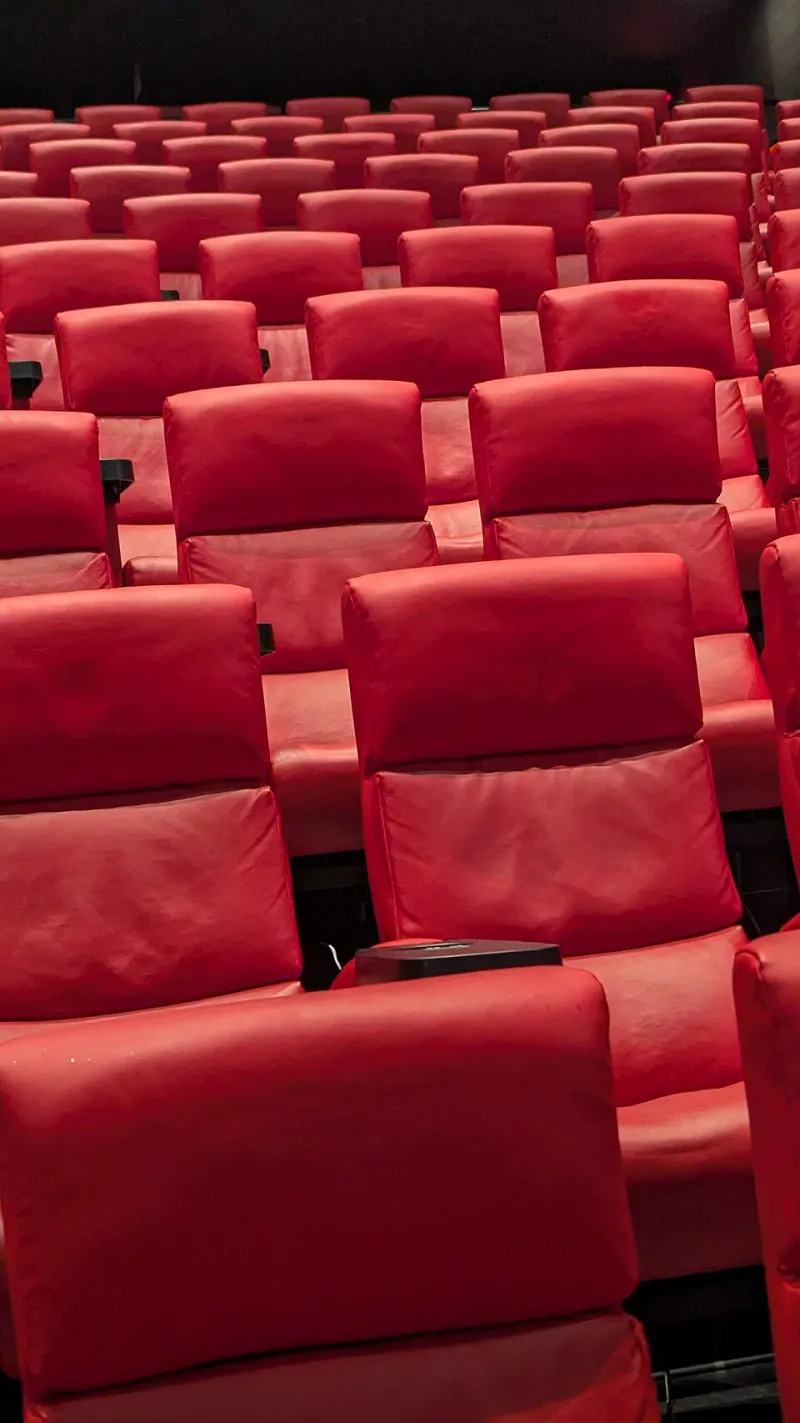
Photo by Photo by Wesley Tingey on Unsplash on Unsplash
Every March, a familiar ritual plays out across America. Someone at a watch party groans when a movie they've never heard of wins Best Picture. Someone else posts on social media that the Academy clearly hates fun. And somewhere, a film critic types furiously that audiences just don't understand art. Rinse, repeat.
But here's the thing — that annual frustration isn't just noise anymore. The gap between what Oscar voters celebrate and what regular moviegoers actually love has been quietly widening for years, and at this point it's less of a crack and more of a canyon.
When the Trophy Room and the Multiplex Stopped Talking to Each Other
Let's go back not that long ago. In the late '90s and early 2000s, there was at least occasional overlap. Titanic swept the Oscars and made a billion dollars domestically. The Lord of the Rings: The Return of the King won Best Picture and audiences had already been lining up around the block for it. The idea that a film could be both critically acclaimed and genuinely beloved by mainstream audiences wasn't radical — it was just... normal.
Then something changed. Streaming happened. Social media happened. And perhaps most importantly, the Academy's voting membership started expanding and diversifying in ways that shifted its collective taste toward a very specific kind of prestige filmmaking — intimate, issue-driven, often slow-burning — that doesn't always translate to the kind of movie people are rushing to see opening weekend.
Look at recent Best Picture winners and you'll notice a pattern. These are films that reviewers adore, that generate serious awards-circuit buzz, and that frequently earn somewhere between $15 million and $50 million at the domestic box office. Meanwhile, the movies that Americans actually showed up for in massive numbers — the superhero spectacles, the franchise entries, the crowd-pleasing comedies — tend to get a technical nomination here or there if they're lucky.
The Algorithm Didn't Help
Streaming culture deserves a big chunk of the blame for accelerating this divide. When Netflix or Max or any other platform can surface a film directly to the exact audience most likely to appreciate it, it creates powerful pockets of passionate fandom around movies that might not have found a broad theatrical audience a decade ago. Critics and cinephiles live in one algorithmic bubble. Action fans, horror lovers, and comedy audiences live in others.
The result? People are watching more movies than ever, but they're increasingly watching different movies. There's no longer a shared cultural experience of everyone seeing the same blockbuster on the same weekend and debating it at work Monday morning. That fragmentation means the Oscars can feel like they're handing out trophies for a game that a lot of viewers aren't even playing.
Generational taste shifts compound this further. Younger audiences, particularly Gen Z viewers who grew up with streaming, tend to engage with cinema on very different terms than the older, more classically trained Academy voters. They're not necessarily looking for the same narrative craftsmanship or thematic gravity that earns a film prestige-circuit attention. They want something that hits emotionally and immediately, something that works as a two-hour experience rather than a piece of cinema history.
The Numbers Don't Lie (But They Do Sting)
Here's a fun experiment: look at the five Best Picture nominees from any recent ceremony and then look at their domestic box office grosses. The contrast is often startling. Films that generated enormous cultural conversations and earned hundreds of millions of dollars frequently don't make the cut, while quieter films with passionate but limited audiences dominate the conversation.
That's not automatically a problem — prestige and popularity have never been the same thing, and they shouldn't have to be. But when the disconnect becomes this pronounced, it raises a legitimate question about relevance. If the average American moviegoer can't name three of the five Best Picture nominees without Googling, are the Oscars still functioning as a meaningful cultural barometer?
Some would argue they never really were. The Academy has always had its biases and blind spots. Genre films, comedies, and blockbusters have historically struggled to earn serious awards recognition regardless of their quality or cultural impact. The difference now is that audiences have more ways to express their disagreement — and more platforms to do it loudly.
Is the Academy Becoming an Insider Club?
There's a version of this conversation that gets elitist fast, and it's worth being careful here. Defending prestige cinema doesn't make someone a snob, and enjoying blockbusters doesn't make someone unsophisticated. Both things can be true. The Oscars championing challenging, less commercially accessible films isn't inherently wrong.
But when the ceremony's ratings continue to decline year after year, and when the most-discussed moment of any given telecast is something completely unrelated to the films being honored, it's fair to ask whether the Academy is serving the broader movie-loving public or primarily itself.
The Best Popular Film category that was floated and then quietly shelved a few years back was a clumsy attempt to address this tension, and the backlash it received was telling. Nobody wanted a consolation prize for popular movies. What people actually want is for the awards to mean something to them — to reflect a version of cinematic excellence that connects to their experience as an audience.
Where Does That Leave Us?
Here's the honest answer: the Oscars probably aren't going to dramatically reinvent themselves anytime soon, and the taste divide between critics and audiences isn't going to magically close. These are structural shifts driven by technology, demographics, and the fragmentation of how we consume entertainment.
What might actually help is lowering the stakes of the conversation. The Oscars are one opinion — an influential one, sure, but still just one group's take on what deserves recognition. Audiences have always had the power to vote with their wallets and their streaming queues, and increasingly they're doing exactly that.
At Flim4U, we think every film counts — the prestige drama and the popcorn blockbuster, the critical darling and the crowd-pleaser. The best version of this conversation isn't critics vs. audiences. It's both groups learning to appreciate that cinema is big enough to contain all of it.
But maybe the Academy could throw a bone to something people actually watched once in a while. Just a thought.