Not Every Beloved Movie Needs a Second Life — But Some Actually Deserve One

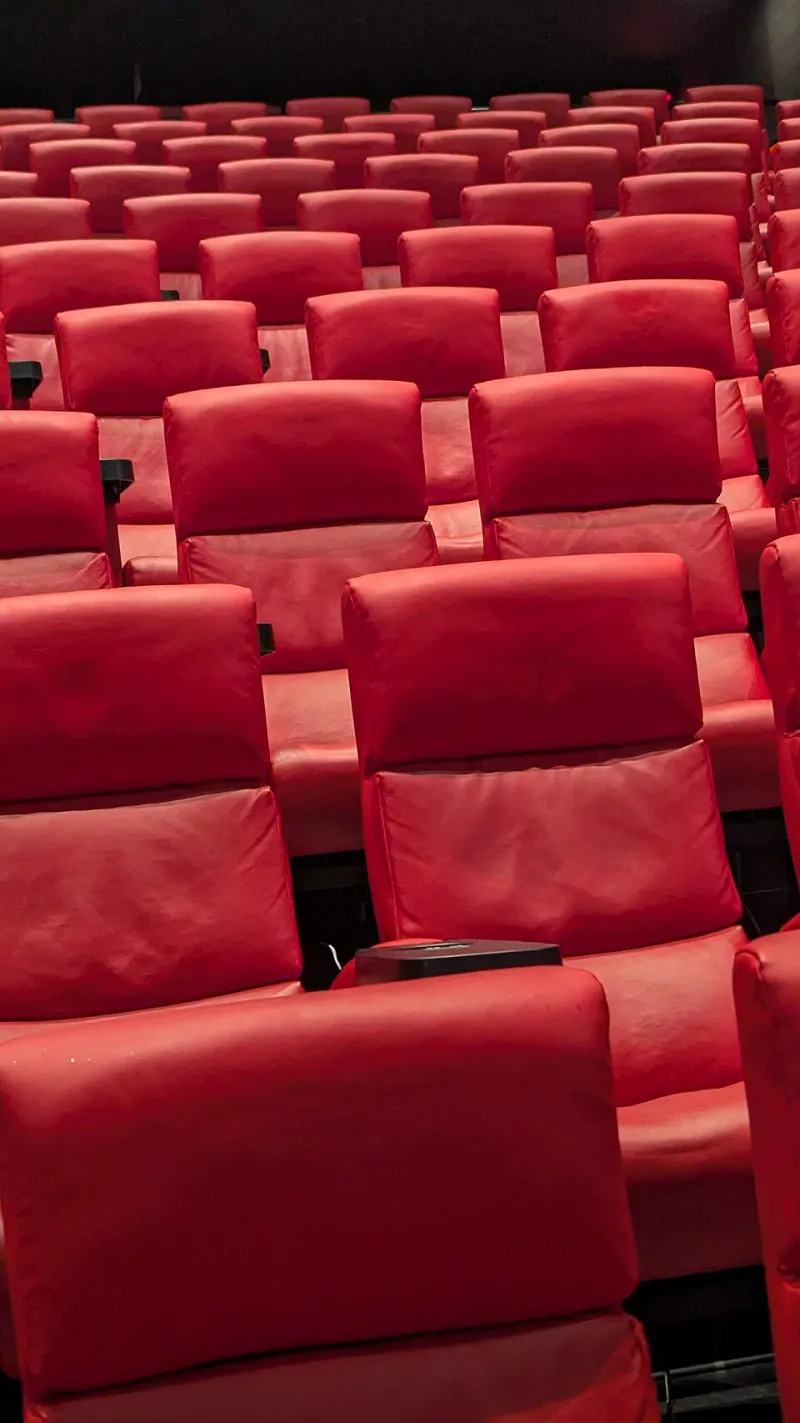
Photo by Photo by Oleg Brovchenko on Unsplash on Unsplash
Let's be honest — when you hear a beloved movie is getting remade, your first instinct probably isn't excitement. It's dread. A little eye-roll, maybe a groan, possibly a frustrated tweet. And that reaction makes total sense. Hollywood has handed us enough unnecessary do-overs to fill a very depressing Blu-ray shelf.
But here's the thing: remakes aren't inherently the enemy of good cinema. The conversation is messier than that, and it's worth digging into why studios keep going back to the well — and why sometimes, just sometimes, the water is actually worth drinking.
Follow the Money (Because Studios Sure Do)
The financial logic behind remakes isn't exactly a secret. Studios are essentially buying a pre-installed fanbase. An established IP comes with name recognition, built-in marketing hooks, and a safety net of nostalgia that a completely original concept just can't offer. In an industry where a wide theatrical release can cost $100 million before a single ticket is sold, that kind of brand equity is enormously appealing.
Streaming has only amplified this dynamic. When Netflix, Max, or Prime Video greenlight a remake or reboot, they're not just chasing theatrical dollars — they're chasing subscriber engagement. A recognizable title in the thumbnail? That's a click. And in the attention economy, clicks are everything.
So yeah, the economics make sense. That doesn't mean every resulting film does.
Case Study: When the Reimagining Actually Works
The 2018 version of A Star Is Born is probably the cleanest example of a remake doing everything right. It was the fourth time Hollywood had told that particular story, and yet Bradley Cooper's directorial debut felt genuinely fresh. Why? Because it wasn't trying to replicate the emotional texture of the previous versions — it was using the framework to say something new about fame, addiction, and creative identity in a very contemporary way. The story was a vehicle, not the destination.
Similarly, Creed (2015) — which functions as both a sequel and a soft reboot of the Rocky franchise — succeeded because it shifted the lens entirely. It honored the source material while centering a new protagonist with his own stakes. Ryan Coogler didn't just remake Rocky. He interrogated it.
And then there's Denis Villeneuve's Dune (2021). David Lynch's 1984 adaptation had become something of a cult curiosity, more fascinating as an artifact than satisfying as a film. Villeneuve's version had the benefit of modern filmmaking tools, a two-part structure that gave the story room to breathe, and a director with genuine vision. It's now considered one of the best sci-fi films of the decade.
The pattern here isn't hard to spot: the remakes that work tend to have a clear reason to exist beyond commercial opportunity.
Case Study: When It All Falls Apart
For every A Star Is Born, there's a 2017 The Mummy — a film that tried to launch an entire cinematic universe on the back of a remake nobody asked for. It bombed critically and commercially, effectively ending Universal's "Dark Universe" before it ever really started. The problem wasn't just execution. It was that the film had no singular vision. It was a product designed by committee, stuffed with franchise setup instead of actual storytelling.
The 2016 Ghostbusters reboot is another instructive case. The film wasn't bad — it had genuinely funny performances and some solid moments — but it got crushed under the weight of cultural baggage and a marketing campaign that turned the whole thing into a culture war flashpoint. The movie never had a chance to just be a movie.
And let's pour one out for the 2019 Men in Black: International, which proved that slapping a beloved title on a new cast without any of the original's chemistry or wit is a recipe for a forgettable two hours.
The Question Studios Should Be Asking (But Often Aren't)
Here's a simple gut-check that seems obvious but apparently isn't: What does this remake add that the original couldn't?
Maybe technology has caught up to a story that couldn't be fully realized before. Maybe the cultural moment demands a reexamination of the source material. Maybe a new filmmaker has a genuinely different perspective on familiar characters. Any of those can be valid reasons.
What isn't a valid reason: "the original made money and people remember it fondly."
Fondness for a film is not the same as desire for a new version of it. Studios confuse these two things constantly, and audiences — even when they show up opening weekend out of curiosity — usually figure it out pretty quickly.
What Filmmakers Actually Owe the Source Material
There's an ongoing debate about how much reverence a remake owes to its original. Some argue you should honor the spirit faithfully. Others say the whole point of a remake is to tear it apart and rebuild it.
The truth is probably somewhere in the middle, and it's case-dependent. What works for Dune — a fairly reverent adaptation that still carved its own identity — wouldn't necessarily work for something like Evil Dead (2013), which leaned hard into reinvention and was better for it.
The real obligation isn't to the original film. It's to the audience sitting in the theater (or on the couch — we'll get to that in another piece). A remake owes viewers a story told with intention, craft, and something worth their two hours. That's it. That's the whole contract.
So Should Hollywood Just... Stop?
Probably not a realistic ask, and honestly, not necessarily the right one. The history of cinema is full of stories told and retold across generations — that's not a bug in the system, it's kind of how storytelling works. Shakespeare didn't invent most of his plots. Every generation gets to reinterpret the myths that matter to it.
The real issue isn't the remake itself. It's the industrial mindset that treats the remake as a financial safe harbor rather than a creative opportunity. When studios start greenlighting projects because the IP is available and the math looks okay, rather than because someone has something genuinely worth saying, that's when things go sideways.
Some films deserve a second life. Some stories benefit from being retold through a new lens. The trick — and it's not a small trick — is knowing which is which before the cameras roll.